
StubStack: Frankenstein

Like the creature it depicts, Guillermo del Toro’s Frankenstein is a patchwork creation — parts of it sublime and stirring, others stitched together without much life.
Starring Oscar Isaac as Dr. Victor Frankenstein and Jacob Elordi as the Creature, del Toro’s long-awaited adaptation is, at times, visually breathtaking and emotionally resonant. At other times, it’s ponderous, overlong, and curiously hollow, lacking the cohesion and urgency needed to make a good film.
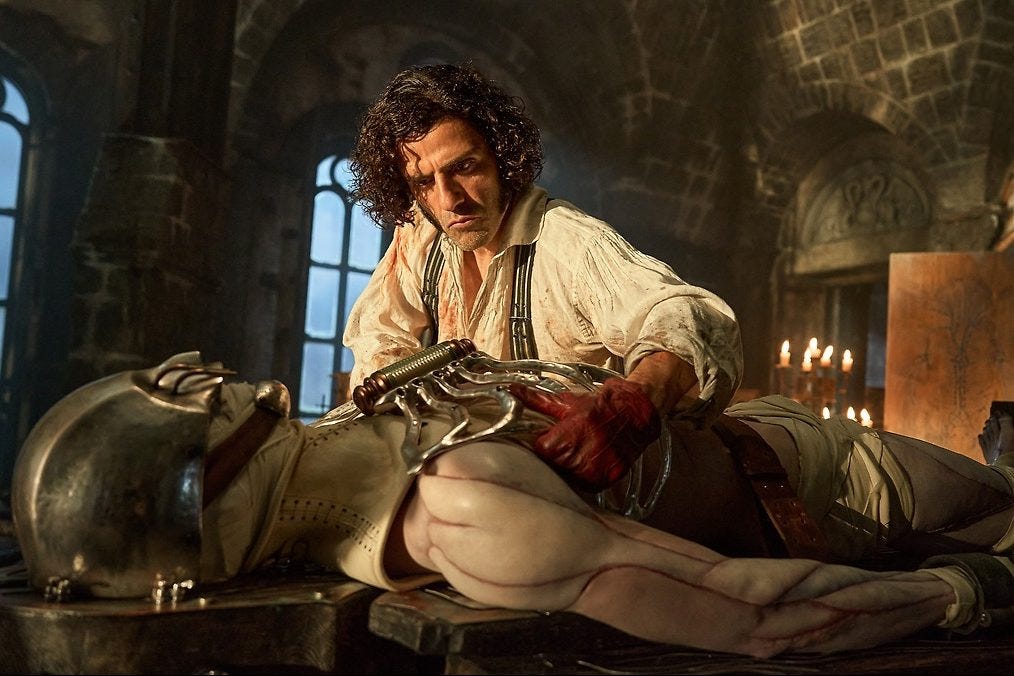
This is not a faithful retelling of Mary Shelley’s 1818 novel so much as a loose reimagining. Del Toro keeps the broad strokes — ambition, isolation, and the peril of creation without conscience — but reconfigures relationships and narrative arcs to suit his own preoccupations. The result is a film that’s unmistakably his, yet not always in the best ways.
The story opens near its end, with a battered Frankenstein rescued by a group of stranded sailors in the Arctic. As he warns them of the horror he’s unleashed, the film flashes back to his childhood and the tragic events that shaped his scientific obsession with death. Many of those early scenes, however, feel perfunctory — a narrative box to check rather than a meaningful exploration of the character. They drag the pacing and could easily have been trimmed to spare the already hefty two-and-a-half-hour runtime.
The film grapples with the same timeless themes Shelley wrote about — unchecked ambition, the need for companionship, and the tension between emotion and reason. Occasionally, del Toro’s version lands these ideas with thought-provoking power. But those moments come in fits and starts, rarely sustained long enough to leave a lasting mark.
What endures are the performances. Isaac takes some time to settle into the role, but once he does, his portrayal of Frankenstein captures both manic brilliance and moral decay with equal vigor. Elordi, towering and magnetic, gives the Creature a commanding physicality balanced by unexpected tenderness — the film’s most effective emotional note. Mia Goth, as Elizabeth, Victor’s sister-in-law and moral counterpoint, brings a flighty intelligence and conviction that elevate a character otherwise underwritten in this adaptation.
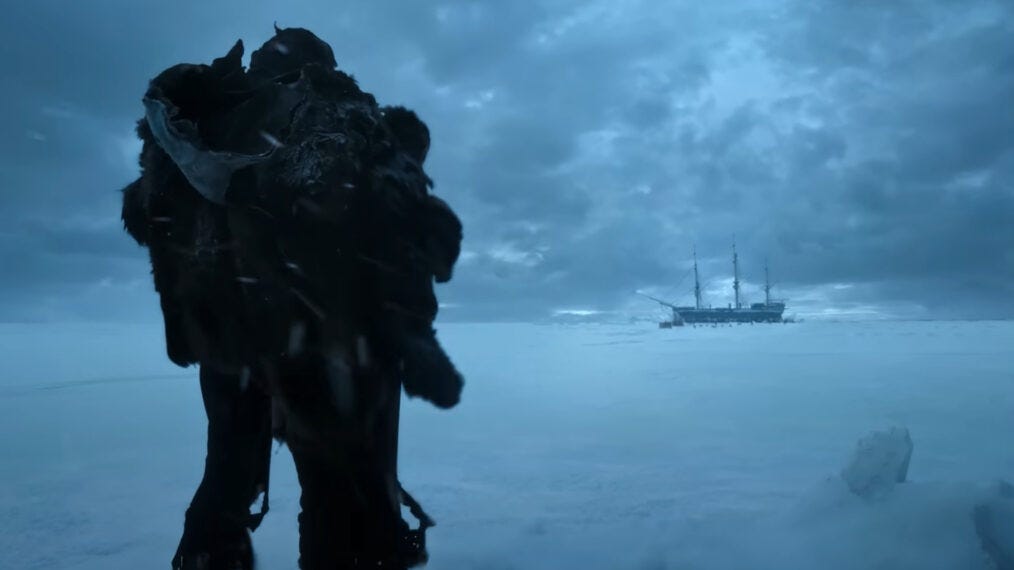
Visually, Frankenstein is a study in contrasts. When del Toro leans on practical effects, intricate sets, and real locations, the film looks stunning — gothic, textured, and alive. But the frequent use of CGI, especially in large-scale environments and digitally rendered creatures, breaks the spell. The artificiality is jarring, undermining the film’s otherwise tactile world.
Narratively, Frankenstein falters. The story too often drifts into predictability, punctuated by long stretches that sap its momentum. There are flashes of brilliance — haunting imagery, inspired performances, and moments of emotional truth — but they’re buried beneath excess.
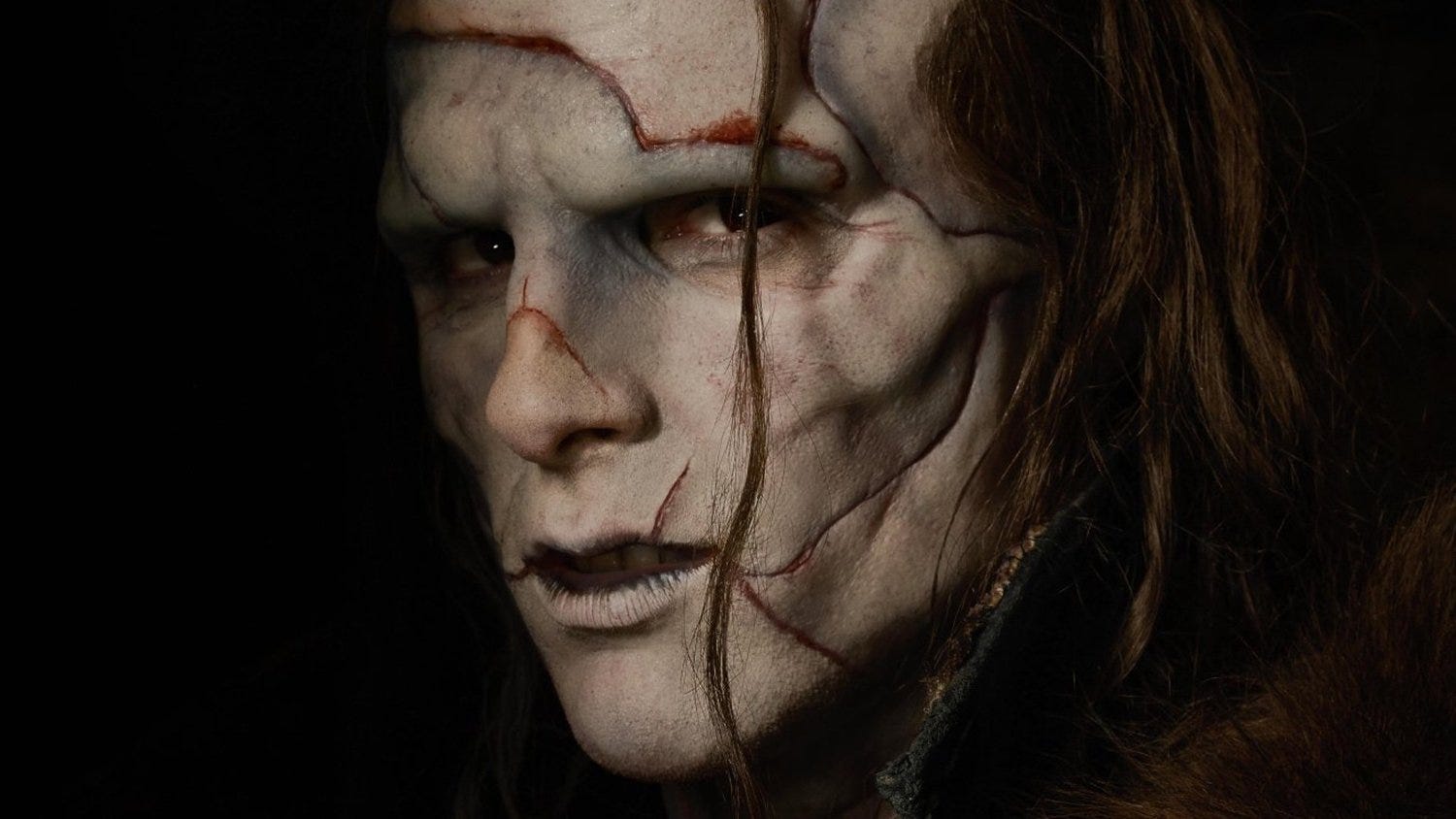
There’s still pleasure to be found here. The film is never unwatchable, and its craft and performances keep it afloat. Yet for all its ambition, Frankenstein never quite sparks to life. It’s a film easier to admire than to love — an ambitious, overstuffed creation that ultimately feels a bit empty.
Better seen in theaters for its visuals, perhaps, but hardly essential viewing, del Toro’s Frankenstein is proof that even great artists can make monsters they can’t entirely control.
Frankenstein will be available on Netflix on November 7th.
Won’t be rushing to the theatre before November 7th so ha